


Who signed the agreement and what does it cover?
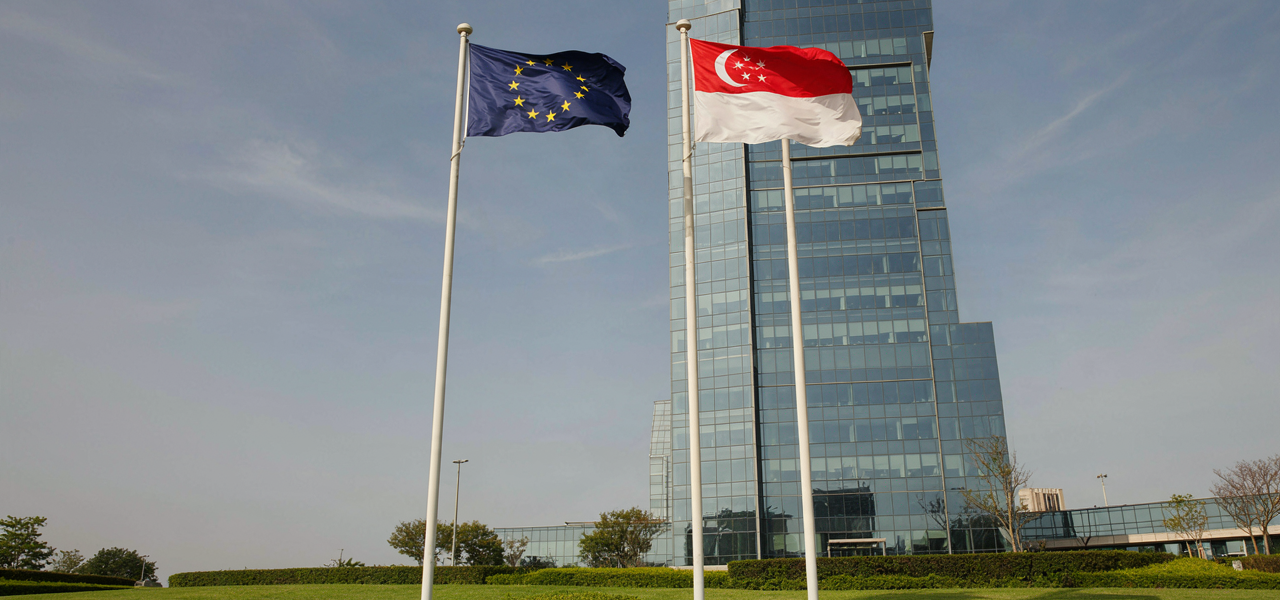
The document was signed by Sandra Gallina, Director-General of DG SANTE; Emer Cooke, Executive Director of the EMA; and Associate Professor (Dr) Raymond Chua, Director-General of the HSA. According to the Commission, the aim of the agreement is to protect public health and improve access to safe, high-quality medical products. It covers both medicinal products and medical devices, and therefore also applies to companies operating under the MDR and IVDR.
The HSA is the national authority responsible for the regulation of health products in Singapore, including the registration of medical devices. Singapore is one of the key regulatory and manufacturing hubs in South-East Asia; therefore, for EU medical device manufacturers, the links between these institutions are of practical importance.
Three pillars of cooperation
The agreement is based on three areas:
- Exchange of information. This covers the safety, efficacy and quality of products, the authorisation of clinical trials, labelling and the development of regulatory policies.
- Participation of observers and experts. Representatives from each side may participate in the other side’s scientific committees, multilateral procedures and so-called clusters (working groups). This is intended to facilitate mutual learning and capacity-building.
- Training and knowledge exchange. Joint programmes are designed to develop expertise in regulatory science and disseminate good practices across both jurisdictions.
Does this mean mutual recognition of certificates?
No. The working arrangement is a tool for cooperation between authorities. It is not a Mutual Recognition Agreement (MRA). The press release makes no mention of the recognition of certificates issued by notified bodies, declarations of conformity, or the simplification of product registration with the HSA. Manufacturers wishing to place devices on the Singaporean market remain subject to a separate national procedure, whilst devices from Singapore entering the EU must undergo a full conformity assessment in accordance with Regulation (EU) 2017/745 or 2017/746.
Nevertheless, the agreement may influence practice over time. More frequent exchange of safety data means that post-market surveillance (PMS) signals, field safety corrective actions (FSCA) and information on incidents can reach the authorities on both sides more quickly. For Regulatory Affairs departments, this is a case for consistent documentation and uniform communication with regulators in both markets.
Term of validity
The agreement comes into force immediately. The parties will review it periodically and may extend or amend it by mutual consent. The announcement did not specify the name or reference number of the document itself.
What should you do now?
- If your company sells products in the EU and Singapore, check that your PMS reports, PSURs and FSN notifications are consistent across both markets.
- Examine whether the clinical data and results of clinical trials conducted in one jurisdiction are described in the technical documentation in the same way as in the other.
- Keep an eye on further communications from DG SANTE and the EMA, as joint training sessions and the participation of experts on committees may, over time, bring the approaches of both regulators closer together for specific categories of devices.
Summary
The agreement between DG SANTE, the EMA and the HSA does not alter manufacturers’ obligations under the MDR and IVDR. However, it demonstrates that the EU is expanding its network of regulatory cooperation beyond Europe. For medical device manufacturers operating in both regions, the most significant practical implication is that information on product safety will circulate between regulators more quickly. Consistent documentation and a transparent post-market surveillance system are therefore becoming even more important.